September 1, 2026
How Chinese Game Developers and Global IPs Can Build the Next Generation of Hit Games
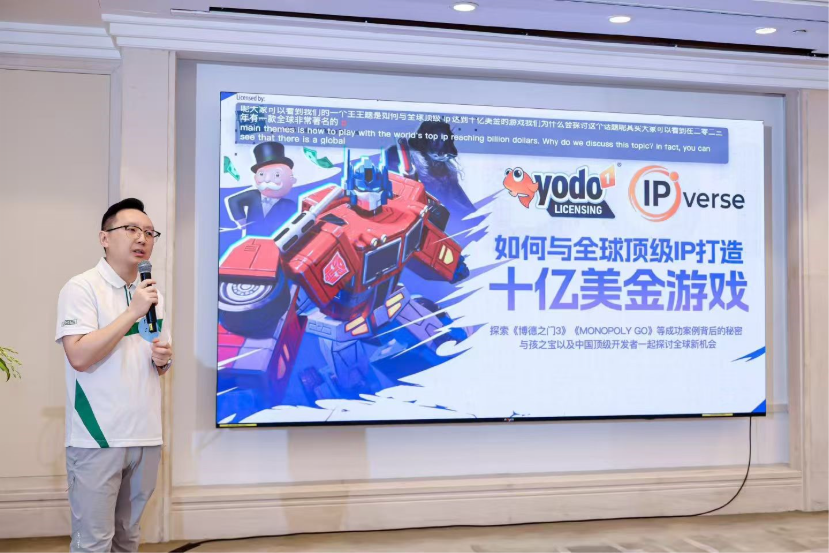
Yodo1’s event at ChinaJoy 2026 brought together Hasbro, leading Chinese developers and industry partners to explore what it really takes to build successful global IP games.
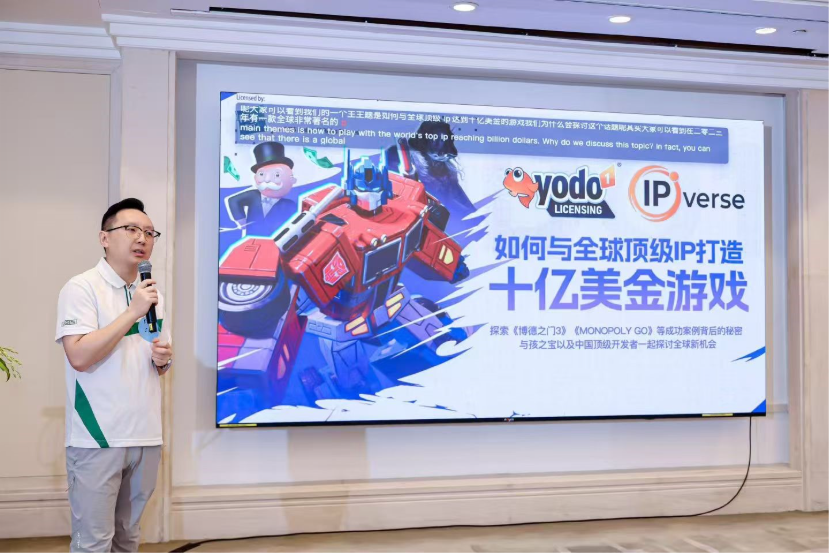
During ChinaJoy 2026, Yodo1 brought together more than 80 producers, product leaders and business executives from many of China’s leading game companies for an event in Shanghai.
Under the theme ‘How to Build a Billion-Dollar Game with the World’s Top IPs’ the event featured perspectives from Yodo1, Hasbro, Wanda Cinemas Games, Kingnet Network and the IPverse team. Together, the speakers explored one increasingly important question: how can Chinese developers and the world’s leading entertainment IPs build successful games together?
The answer that emerged throughout the event was clear: great IP games are not created by simply licensing a famous brand, they are built through the right combination of IP, development expertise, long-term partnership, operational experience and shared knowledge.
A New Opportunity for Chinese Developers

Chinese studios have become an increasingly important force in the global games industry.
Their expertise in genres such as RPG and SLG, combined with sophisticated live operations and increasingly global development capabilities, has made Chinese developers highly attractive partners for international IP owners. But as Vivien Zhang, Head of IP Licensing Business at Yodo1 highlighted during her opening presentation, development capability alone is no longer the main barrier.
The bigger challenges are often understanding global IPs, accessing the right resources, navigating approval processes, and creating efficient ways for developers and rights holders to work together.
That is why Yodo1 sees the next stage of the market as an ecosystem opportunity rather than simply a licensing opportunity. Instead of connecting one developer with one IP at a time, the industry needs infrastructure that makes collaboration faster, more informed and increasingly repeatable business.
Hasbro: Great Games Start with Great Partnerships

Claire Hunter Gregson, Digital Licensing Director at Hasbro, shared Hasbro’s perspective on what successful partnerships look like.
Hasbro’s portfolio includes globally recognized franchises such as Transformers, Monopoly, Dungeons & Dragons, Magic: The Gathering, Nerf, Peppa Pig, and My Little Pony, giving the company a unique view of how established entertainment brands can grow through gaming.
Claire highlighted two very different examples from Hasbro’s recent gaming journey: MONOPOLY GO! and Baldur’s Gate 3.
Their genres, audiences, and development models may be different, but both demonstrate a similar principle: the strongest results happen when IP owners and developers share a clear vision, understand their respective strengths, put players first, and build for the long term.
Hasbro brings iconic worlds, characters, and fan communities. Developers bring gameplay expertise, innovation, technology, and an understanding of their players. The opportunity comes from combining those strengths rather than treating licensing as a simple transaction.
Chinese developers are becoming an increasingly important part of that strategy, particularly given their capabilities in RPG, SLG and live-service development.
Transformers: Eternal War - From Licensing to Co-Creation
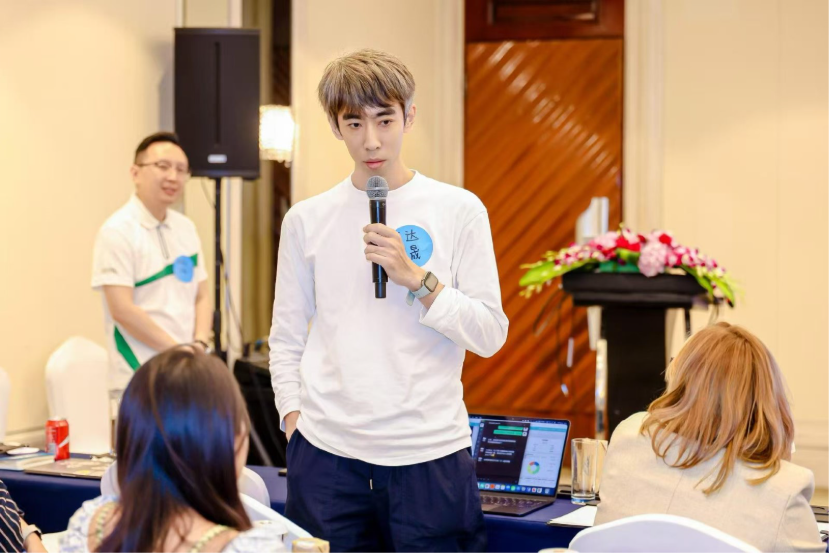
The importance of collaboration became even clearer through the story of Transformers: Eternal War.
Bi Sheng, Vice President of Overseas Publishing at Wanda Cinemas Games, shared how the project has evolved through close cooperation between Wanda Cinemas Games, Hasbro, and Yodo1.
The development process has involved hundreds of creative reviews and approval discussions covering areas such as character design, original narrative, world-building, art direction, and voice production.
The team also worked with veteran Transformers writer Simon Furman on original narrative material and brought in classic Chinese voice actors to preserve the franchise’s emotional connection with local fans.
The lesson from the project is simple: obtaining an IP license is only the beginning.
Successful IP development requires the developer, IP owner, and operating partners to solve problems together continuously throughout the life of the project.
The commercial model can reinforce that mentality as well. For Transformers: Eternal War, a net-revenue-share structure helped create stronger alignment among the parties, turning the relationship into something closer to a long-term business partnership than a traditional licensing arrangement.
Understanding an IP Matters More Than Simply Acquiring It

Shan Jing, Head of Korea Business at Kingnet Network, offered another important perspective: successful IP adaptation begins with understanding why audiences care about an IP in the first place.
Characters and visual assets alone are rarely enough.
Developers need to recreate the emotional connection between an established franchise and its audience while adapting that experience to modern gameplay and contemporary player's expectations.
From Kingnet’s experience working with classic IP, three principles stand out:
- Respect the original work and the memories existing fans have attached to it.
- Integrate the IP naturally with modern gameplay and local player behavior.
- Build for long-term operation rather than relying on the short-term attention generated by a famous brand.
Developers also need to evaluate whether an IP truly fits their studio’s strengths, understand its world and character systems, learn from previous adaptations, and prepare for the realities of global approval workflows.
In other words, the value is not simply having access to an IP but it is in knowing what to do with it.
Building a More Scalable Global IP Ecosystem
This thinking is also driving the next stage of IPverse Community.
IPverse is evolving beyond an information platform into a broader ecosystem designed to help developers work more effectively with global IP.
Alongside IP knowledge and market insights, the goal is to connect development teams with resources that can support real production - including creators, voice talent, case studies, industry experts and accumulated best practices from previous collaborations.
The objective is to reduce some of the hidden complexity surrounding IP development.
Better access to information and resources can help studios make stronger IP decisions, shorten learning curves, improve communication with rights holders, and turn knowledge gained from one successful project into capabilities that can be applied to the next.
The Next Generation of Global IP Games

Across the different perspectives shared at the event, one common theme stood out.
Building a successful global IP game requires far more than acquiring a recognizable license.
It requires developers who understand both the IP and their players. It requires IP owners willing to work collaboratively with development teams. And it requires partners who can bridge the commercial, operational, creative, and cultural gaps between the two.
For Yodo1, this is where the next major opportunity lies.
As Chinese developers expand globally and entertainment companies look for new ways to bring their franchises into games, Yodo1 will continue working with partners such as Hasbro and leading development studios to make global IP collaboration more open, efficient, and scalable.
The ambition is not simply to create more licensed games.
It is to create better partnerships - and through them, the next generation of games capable of reaching audiences around the world.
Interested in exploring global IP opportunities for your game? Visit ipverse.com to learn more about available IPs, industry resources, and collaboration opportunities.

Table of Content